Beverly Hills is arguably the global capital of facial plastic surgery, a city synonymous with luxury, high fashion, and ever-enduring, next-level standards of beauty.Rhinoplasty is currently one of the most-requested cosmetic surgeries in Beverly Hills, and understandably so: the nose is the central anchor of the face.
The nose determines the balance of the eyes and the overall look of the profile. Consequently, even a millimeter of alteration on the nose can dramatically shift how a person looks and feels.
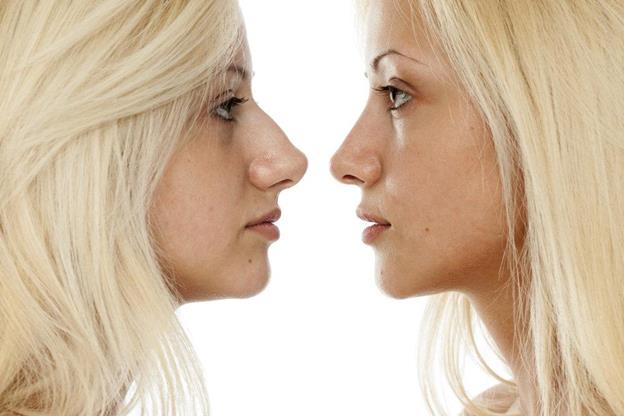
In addition to its aesthetic function, the nose is a vital respiratory organ that filters, warms, and humidifies the air we breathe. A botched procedure can potentially lead to a lifetime of breathing difficulties, sinus infections, and emotional distress.
Read on to find out what you need to know about getting a nose job in Beverly Hills, including:
- Rhinoplasty surgical techniques
- Qualifications to look for in a rhinoplasty surgeon
- The financial realities
- The journey to recovery
- And more
What Is a Rhinoplasty?
Rhinoplasty is widely regarded by the medical community as the most difficult operation in facial plastic surgery. This is because nose surgery restructures the bone, cartilage, and soft tissue in a three-dimensional space.
Interestingly, the skin of the nose acts like a drape, covering the underlying structure, and its thickness determines how much definition shows through after surgery.
Most patients initially want a rhinoplasty specialist for cosmetic reasons. They may dislike a bump on the bridge, a bulbous tip, or wide nostrils. However, a significant portion of these patients also suffer from functional issues, sometimes without fully realizing it.
Cosmetic Goals:
- Straightening the bridge
- Refining the tip
- Narrowing the nose
- Changing the nasolabial angle between the nose and the lip
Functional Goals:
- Deviated septum repair (septoplasty) for blocked airways
- Turbinate reduction that shrinks the humidifying tissues that can swell and impair one’s ability to breathe
- Nasal valve repair that strengthens the narrowest part of the airway to prevent it from collapsing during inhalation
Types of Rhinoplasty Techniques Used by Facial Plastic Surgeons
Open Rhinoplasty
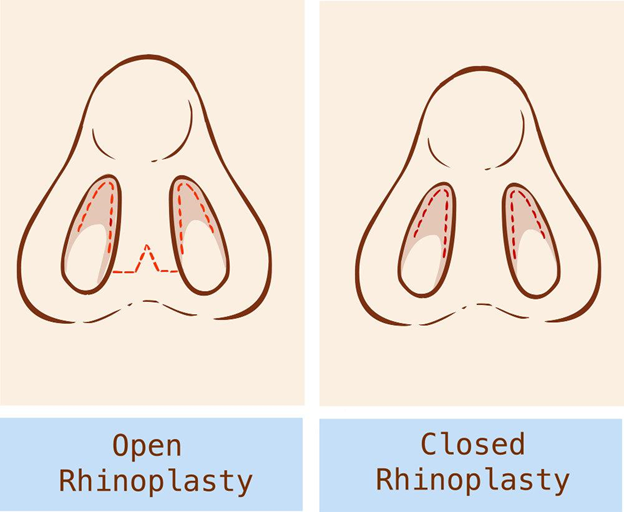
This is the most common technique for major reshaping that uses a small, stair-step incision across the fleshy strip of tissue between the nostrils. The surgeon then lifts the skin back, revealing the entire nasal structure.
- Pros: It offers the surgeon distinct visibility and access to the tip cartilages and the septum, and also the ability to precisely graft and suture.
- Cons: It leaves a tiny, usually imperceptible scar on the columella and typically involves slightly more swelling than closed approaches.
Closed Rhinoplasty (and Scarless Rhinoplasty)
In a closed rhinoplasty, all incisions are made inside the nostrils; there are no external cuts. This is sometimes marketed as scarless rhinoplasty because there is no visible scarring on the outside of the face.
- Pros: Reduced surgical time, less swelling, and no external scar.
- Cons: The surgeon has limited visibility and must rely on feel and smaller openings to perform the work. It is generally better suited for bridge work like dorsal hump removal rather than complex tip restructuring.
Preservation Rhinoplasty
Traditional rhinoplasty often means cutting away the top of the nasal bridge to lower it or resection. Preservation rhinoplasty, conversely, removes cartilage and bone from underneath the bridge, allowing the surgeon to push the bridge down while keeping the natural dorsal lines intact. This maintains the structural integrity of the nose and prevents long-term complications like the “inverted V” deformity.
Why Rhinoplasty Surgeon Selection Matters
The difference between a good result and a botched surgery almost always comes down to the surgeon’s skill, judgment, and experience. In Beverly Hills, you will find a high concentration of surgeons, but they are not all equal in their expertise regarding the nose.
The Complexity of the Nose
The nose is a dynamic structure that must withstand the forces of breathing and the skin’s shrinking as we age. An inexperienced surgeon might remove too much cartilage to achieve a small, cute nose immediately after surgery.
However, cartilage provides support. If too much is removed, the nose can collapse five or 10 years later, leading to a pinched look and breathing obstruction. A master rhinoplasty specialist will understand the long game and build a structure that will look good and function well for the rest of your life.
The Risks of “Discount” Surgery
We often see patients who traveled abroad or chose a non-specialist to save money, only to end up paying triple the cost for a revision rhinoplasty to fix the damage.
Revision cases are much more difficult because scar tissue has replaced normal tissue, and the original cartilage is sometimes completely absent.
This requires harvesting cartilage from the ear or rib to rebuild the nose, also known as a total nasal reconstruction. Selecting the right surgeon the first time is the most effective way to safeguard your health and your wallet.
Qualifications to Look For in a Rhinoplasty Surgeon
Certifications
You should confirm that your surgeon is board-certified, and pay attention to which board.
- The American Board of Facial Plastic and Reconstructive Surgery (ABFPRS): Surgeons with this certification have dedicated their careers specifically to the face, head, and neck. They have undergone rigorous testing and peer review specifically on facial aesthetics and function.
- The American Board of Otolaryngology – Head and Neck Surgery: This means that the surgeon is an ENT (Ear, Nose, and Throat) specialist. They possess a profound understanding of the airway, sinuses, and internal nasal anatomy.
Ideally, the best rhinoplasty surgeon in Beverly Hills will have dual certification or a strong background in otolaryngology and fellowship training in facial plastic surgery. This combo means you get the best of both in terms of function and cosmetics.
Surgical Volume and Specialization
Plastic surgery is a broad field. A surgeon might be excellent at breast augmentation but have only performed a dozen rhinoplasties in their career. You want to find a rhinoplasty specialist: someone who performs nasal surgery weekly, if not daily. Ask specifically: “What percentage of your practice is dedicated to rhinoplasty?” If the answer is low, look elsewhere.
Facility Accreditation
Safety extends to the operating room. Verify that the surgery center is accredited by the AAAASF (American Association for Accreditation of Ambulatory Surgery) or is a Medicare-certified facility. This confirms the facility adheres to strict safety protocols regarding equipment, sterility, and emergency backup systems.
Evaluating a Surgeon’s Aesthetic Approach
Technical skill is the foundation, but artistry is the finish. Every surgeon has a signature style about their work, so you’ll need to find one that aligns with your own personal vision.
First off, do not just glance at the before-and-after photos, but really study them. Look for consistency and the following hallmarks of a reputable, skilled rhinoplasty specialist:
- Three Views: A gallery should clearly show the front, the profile, and the base view looking up at the nostrils. The base view is necessary if you want to confirm symmetry in the nostrils and the tip.
- Similar Anatomy: Look for before photos that look like your current nose to get a more accurate idea of what to expect from the results.
- Natural Results: The best Beverly Hills nose job is one that can go virtually undetectable. Avoid surgeons whose results all look identical; they might be using the same technique on everyone (a red flag).
Additionally, one of the most challenging areas of nasal surgery is ethnic rhinoplasty. This refers to surgery for patients of African, Asian, Hispanic, Middle Eastern, or multi-ethnic descent.
The Challenge: Non-Caucasian noses often have thicker skin, weaker lower lateral cartilages, and a lower bridge. Standard reduction techniques used on Caucasian noses can lead to disastrous results here, such as loss of definition or breathing issues.
The Goal: The objective is often to refine the tip, narrow the base, or augment the bridge without erasing the patient’s ethnic identity. A specialist in ethnic rhinoplasty will use grafting techniques to add support and definition, rather than just removing tissue. If you are a person of color, verifying the surgeon’s experience with your specific tissue type is a top priority.
The Consultation Process
Treat your consultation like an interview, as it’s your opportunity to determine if this rhinoplasty near you is the right fit. At this appointment, the surgeon should perform a thorough examination. This includes:
- Looking inside the nose with a nasal speculum or endoscope to check for a deviated septum or enlarged turbinates.
- Palpating the nose to assess skin thickness and cartilage strength.
- Assessing your breathing by holding one nostril closed and having you inhale.
Top-tier practices use 3D imaging technology, such as VECTRA, during your consultation. This allows the surgeon to take a photo of you and digitally morph it to show projected results. The simulation will help align expectations between you and the surgeon.
Be wary of a surgeon who rushes you. A good consultation should take time. The surgeon should listen to your specific concerns and explain the procedure in terms you can understand.

Cost and Value
FYI, the rhinoplasty cost in Beverly Hills is generally higher than the national average. The total fee usually includes three components:
- Surgeon’s Fee: This covers the surgeon’s time, expertise, and post-operative follow-up visits.
- Anesthesia Fee: You should verify that a board-certified anesthesiologist (MD) is administering your sedation, not a nurse anesthetist or the surgeon themselves. This is a critical safety factor.
- Facility Fee: This covers the cost of the accredited surgery center, the nursing staff, and the equipment.
In Beverly Hills, a primary rhinoplasty typically ranges from $8,000 to $20,000 or more. Complex cases, ethnic rhinoplasty, or cases requiring rib grafts can push this higher.
Revision rhinoplasty is significantly more expensive, often starting at $20,000 and reaching up to $35,000 or more. This is due to the extended surgical time (often 4-6 hours) and the complexity of working with scarred tissue and depleted cartilage.
When you’re considering the cost, remember that this is a permanent change to the center of your face and that bargain hunting in plastic surgery is dangerous.
A lower price can mean that corners are being cut, and correcting a bad nose job is painful, emotionally draining, and far more expensive than paying for one of the best rhinoplasty surgeons in Beverly Hills the first time.
Recovery and Aftercare
Like any major medical procedure, rhinoplasty recovery means planning your life around the surgery. While everyone heals differently, here’s the typical recovery timeline along with the aftercare entailed:
Week 1
You will wake up from the rhinoplasty surgery with a splint on your nose to protect the new shape. You may have a drip pad under your nose to catch fluid, and you will need someone to drive you home.
Most patients report that rhinoplasty is not particularly painful, but just uncomfortable. It feels like a severe head cold or a bad sinus infection. You will also be congested because of internal swelling.
Bruising around the eyes is common, but techniques such as ultrasonic (Piezo) rhinoplasty can help minimize it. You must keep your head elevated, even while sleeping, to reduce swelling. No bending over, lifting heavy objects, or blowing your nose.
Day 7
Around day 6 or 7, you will return to the office for the big reveal, where the splint and any external sutures will be removed. While your nose will still be swollen, you will get your first glimpse of the new shape. Most patients feel socially presentable with a little concealer by day 10 or so.
Long-Term Healing
- 1 Month: About 70-80% of the swelling subsides. The nose looks good to strangers, but it still may look a little puffy.
- 3 Months: The definition begins to show. The tip is the last place to heal.
- 1 Year: The final result is usually visible. For patients with thick skin or those undergoing revision surgery, subtle swelling can persist for 18 to 24 months.
Red Flags to Avoid
Shopping for a rhinoplasty specialist? As you sift through the potential candidates in Beverly Hills, be sure to stay vigilant. Look out for the following red flags:
- The “Jack-of-All-Trades”: Be cautious of surgeons who advertise aggressive discounts on rhinoplasty alongside breast implants, butt lifts, and hair transplants. You want a specialist who lives and breathes nasal surgery.
- Lack of Hospital Privileges: Even if the surgery is in a private center, a reputable surgeon should have privileges to perform the procedure at a local hospital. This acts as a vetting mechanism by the hospital system.
- Unrealistic Promises: If a surgeon promises you a “perfect” nose or guarantees that you will look exactly like a celebrity, keep it moving. Ethical surgeons promise improvement, not perfection.
- Botched Reviews: Look specifically for reviews regarding follow-up care. A surgeon who ghosts patients when there are post-op complications is a major red flag.
Why Beverly Hills Leads the World in Rhinoplasty Excellence
So, why do patients fly in from Europe, Asia, and the Middle East for a Beverly Hills nose job?
For one, Beverly Hills surgeons are often the pioneers of new techniques. They are frequently the first to adopt technologies like Piezo (ultrasonic) instruments, which reshape bone with sound waves to minimize trauma to soft tissue. They are also leaders in preservation rhinoplasty and structural grafting techniques that are now becoming the global standard.Plus, because of its reputation, Beverly Hills attracts the most difficult cases. Surgeons here routinely perform nasal reconstruction on patients who have had multiple failed surgeries elsewhere or who have suffered severe trauma. This high volume of complex cases keeps their skills sharp and their problem-solving abilities unmatched.
Lastly, the infrastructure in Beverly Hills is built for privacy. Many surgery centers offer private back entrances and recovery retreats where patients can heal away from the public eye. The level of nursing care and post-operative attention is typically superior to high-volume commercial clinics.
FAQs: Choosing the Right Rhinoplasty Surgeon
Q: What makes a rhinoplasty surgeon “the best” in Beverly Hills?
A: “The best” is a surgeon who possesses ABFPRS certification, specializes almost exclusively in nasal surgery, has a low revision rate, and listens to your goals. They prioritize nasal valve repair and functional breathing alongside aesthetics.
Q: How can I tell if a surgeon is board-certified in facial plastic surgery?
A: You can verify credentials on the ABFPRS website. Look for the specific designation of Diplomate of the American Board of Facial Plastic and Reconstructive Surgery.
Q: Should I choose an ENT surgeon or a plastic surgeon for rhinoplasty?
A: The ideal choice is often a surgeon with a background in Otolaryngology (ENT) who then completed a fellowship in Facial Plastic Surgery. This double-qualification means they are experts in both the airway and the external appearance.
Q: What questions should I ask during my consultation?
A: Ask about their revision rate, how they handle complications, and if you can see “long-term” before-and-afters (2+ years post-op).
Q: How much does rhinoplasty cost in Beverly Hills on average?
A: Expect to pay between $15,000 and $25,000 for a primary surgery. Revision cases are higher. This covers the surgeon, the anesthesia, and the facility.
Q: What are common signs of a surgeon who specializes in natural-looking results?
A: Their results show variety. They do not give every patient the same nose. They respect the ethnic background of the patient. They avoid over-rotating the tip (the “piggy” look) or over-scooping the bridge.
Q: How do I verify real before-and-after photos?
A: Look for consistent lighting and background. If the “after” photo has heavy makeup or studio lighting while the “before” is a grainy selfie, be skeptical. Check for video results on their social media, as video is harder to manipulate than still photos.
Q: How long should I wait between consultations before making a decision?
A: Take your time. See 2 or 3 surgeons. Sleep on the information for a few weeks. Do not let anyone pressure you into a surgery date.
Q: Is it risky to travel to Beverly Hills for surgery if I live out of state?
A: Not if you plan correctly. You will need to stay in the area for about 7-10 days. Most surgeons have protocols for out-of-town patients, including initial virtual consultations and recommended recovery hotels.
Q: What should I do if I am unhappy with my rhinoplasty results?
A: Wait. It takes a full year for swelling to resolve. If you are still unhappy after 12 months, consult with a revision rhinoplasty specialist. Do not rush into a second surgery too soon, as the tissue needs to heal.
Your Rhinoplasty Expert in Beverly Hills
Deciding to undergo rhinoplasty surgery is an act of hope and self-improvement. Even though the prospect of any surgery can be daunting, you can’t beat the rewards of a well-executed rhinoplasty: a profile that can balance your features and an airway that allows you to breathe better.
Beverly Hills stands as a beacon for those seeking the highest standard of care. The surgeons here are among the most trained and talented artists in the medical field.
However, the responsibility ultimately lies with you to do the research. Verify the board certifications. Scrutinize the before-and-after galleries. Ask the tough questions about septoplasty, nasal valve repair, and long-term results.
Do not compromise on your health or your appearance. Seek out a board-certified rhinoplasty surgeon, like Dr. Aric Park, who views you not as a procedure, but as a person. Trust your instincts during the consultation. If you feel heard, respected, and confident in the surgeon’s plan, you are on the right path.
Ready to take the next step? Book an appointment today with rhinoplasty specialist Dr. Aric Park at Park Facial Plastics in Beverly Hills. Discover how our expert care can help you breathe better and balance your facial features.